
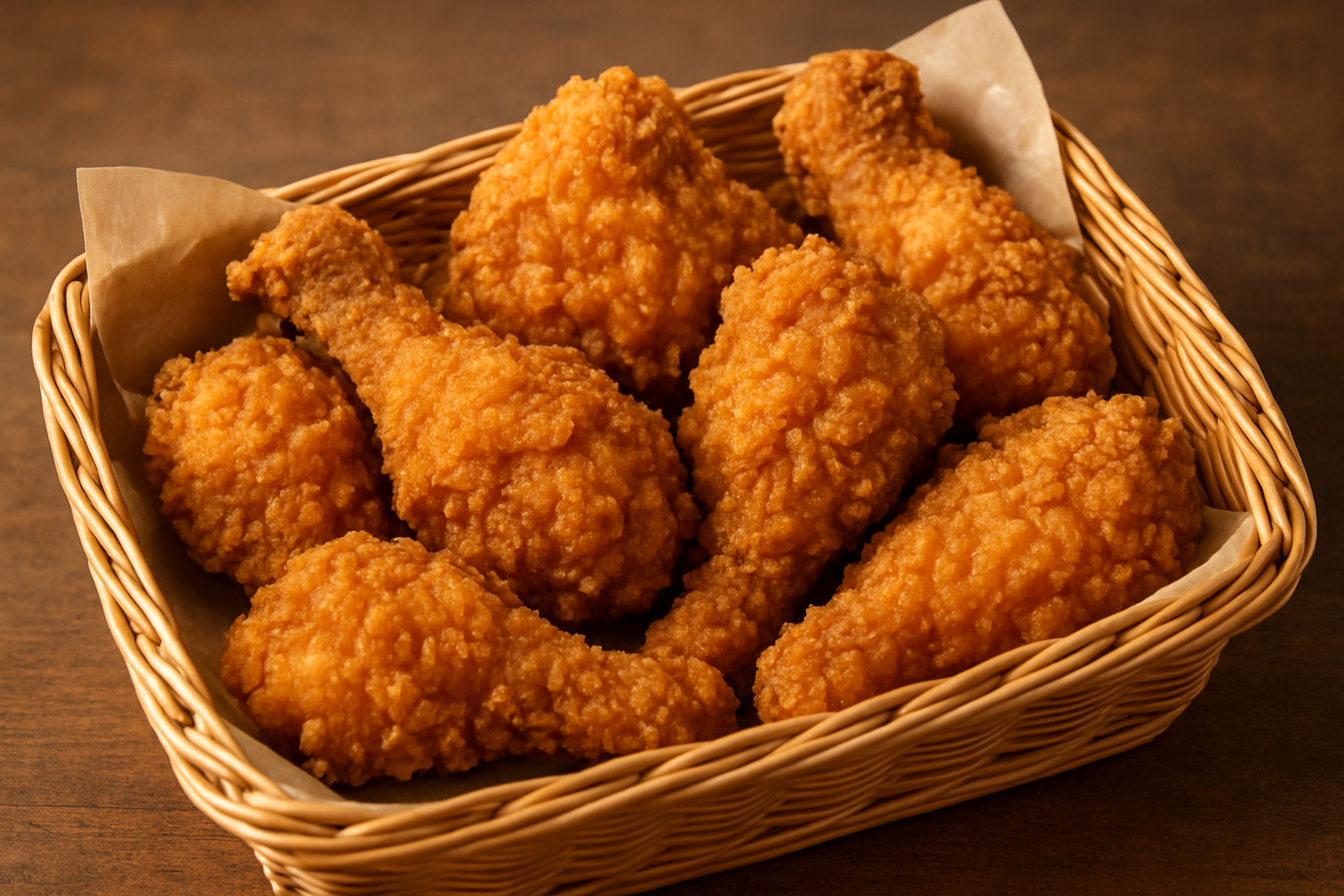
Southern-Style Secrets for Ultimate Homemade Fried Chicken
There’s nothing quite like biting into a piece of homemade fried chicken that is crispy on the outside, juicy on the inside, and bursting with flavor. Southern-style fried chicken is a culinary tradition that countless families cherish. To create the ultimate homemade fried chicken, there are some time-tested secrets that can elevate your dish to crispy perfection. From the brining process to the seasoning blend, these tips will guide you through making a fried chicken that will impress family and friends alike.
One of the first steps to unlock the flavor is through brining. Brining your chicken not only infuses it with moisture but also adds a depth of flavor. You can start by creating a simple brine with:
- 4 cups of water
- 1/4 cup of kosher salt
- 2 tablespoons of sugar
- Spices like black peppercorns or bay leaves for added flavor
Mix these ingredients until the salt and sugar dissolve. Submerge the chicken pieces in this brine for at least 4 hours, or overnight for the best results. This step will provide the juiciness that is signature to Southern-style chicken.
After the brining process, it’s time to dry the chicken. Pat each piece with paper towels until they are completely dry. This is essential because excess moisture can prevent that desirable crispy crust from forming when you fry them. Remember, a dry surface makes for a crispier exterior.
Next, let’s talk about the seasoning. A good blend of spices can transform your fried chicken into something extraordinary. A classic Southern seasoning mix usually includes:
- 1 tablespoon of paprika
- 1 teaspoon of garlic powder
- 1 teaspoon of onion powder
- 1 teaspoon of cayenne pepper (adjust to your taste)
- Salt and black pepper to taste
Combine these spices with flour to coat your chicken. For a thicker and crunchier crust, you might prefer a double-dip method. Once you’ve seasoned the chicken, dip each piece in the seasoned flour, then into an egg wash (made from beaten eggs and milk), and back into the flour again. This double-coating creates a delicious and crispy shell when fried.
Now that your chicken is brined, dried, and coated, it’s time to fry! Choosing the right oil is crucial. For the best flavor and frying temperature, use oils with a high smoke point, like peanut oil or vegetable oil. Heat the oil to about 350°F (175°C). If you don’t have a thermometer, a quick test is dropping a small piece of the flour mixture into the oil; if it sizzles immediately, it’s ready.
Carefully add the chicken pieces to the hot oil, but don’t overcrowd the pan. Frying in batches ensures that the oil temperature stays consistent, contributing to that perfect crispy texture. Fry the chicken for about 12 to 15 minutes, turning occasionally, until it’s golden brown and reaches an internal temperature of 165°F (74°C).
Once cooked, remove the chicken and let it rest on a wire rack. This is another key tip! Resting allows excess oil to drip off and helps maintain the crispiness that you worked so hard for. Avoid resting it on paper towels, as this can trap steam and make your chicken soggy.
Serve your homemade fried chicken with classic sides like coleslaw, mashed potatoes, or biscuits to complete that Southern dining experience. You’ll not only enjoy a delicious meal, but you’ll also feel a sense of pride in mastering these Southern-style secrets for achieving crispy perfection.
Follow these simple yet effective steps, and you’ll soon become known for your incredible fried chicken. So, gather your family, set the table, and prepare to enjoy some of the best homemade fried chicken they’ll ever taste!
The Importance of Marinades in Achieving Flavorful Fried Chicken
When it comes to creating the ultimate fried chicken, one of the most essential factors is the marinade. A good marinade not only adds flavor but also helps to tenderize the meat. By allowing chicken to soak in a mix of spices and liquids, you can elevate your dish from ordinary to extraordinary. Here’s why marinades are key to crafting flavorful fried chicken.
First, let’s talk about the basic components of a marinade. A marinade typically includes:
- Acid: Ingredients like buttermilk, vinegar, lemon juice, or yogurt help break down proteins in the chicken, making it tender.
- Fat: Oils add moisture and assist in flavor absorption. Vegetable oil, olive oil, or melted butter can work wonders.
- Flavorings: Herbs, spices, garlic, and onion provide depth and richness. The sky’s the limit when it comes to what flavors you can combine.
Let’s dive deeper into the advantages you gain from marinading your chicken.
One significant benefit of marinating is the infusion of flavor. If you’ve ever had fried chicken that was bland, chances are it wasn’t marinated properly. Marinades penetrate the chicken, ensuring that each bite bursts with rich, tangy, or spicy flavors. You can experiment with different flavor profiles to match your preference, whether you enjoy a simple buttermilk soak or an adventurous spicy marinade.
Another advantage is the enhanced texture of the chicken. When using acidic components, they work to break down tougher muscle fibers. This not only makes the chicken tender but also keeps it juicy during the frying process. You may have noticed that some fried chicken recipes call for marinating overnight. This is because long marination allows the flavors and tenderizing effects to have more time to interact with the meat.
Let’s talk about some marinading methods that can have a great impact on your fried chicken:
- Buttermilk Soak: A classic Southern approach, buttermilk is both acidic and creamy. It is excellent at keeping chicken moist while creating a delicious crust when fried.
- Spicy Marinade: Combine hot sauce with vinegar and oil for a kick. This mix adds heat while still maintaining the chicken’s tenderness.
- Herb-Infused Marinade: Fresh herbs like rosemary, thyme, and parsley can be expertly blended with oil and lemon juice for a refreshing flavor.
Timing is also vital in the marinating process. For optimal results, a few hours is generally adequate. However, for best results, consider marinating overnight. If you’re short on time, even 30 minutes of soaking in a marinade can yield improvements, but the longer you can let it sit, the better the flavor absorption.
Always remember to season your marinade well. Since the chicken will absorb some of the marinade, incorporating enough salt and spices is crucial for maximizing flavor. Don’t hesitate to experiment with different seasonings until you find the combination that feels just right for you.
Safety also matters when marinating. Always keep chicken in the refrigerator while marinating to avoid bacterial growth. If you plan to use the marinade later as a sauce, set aside a portion separately before adding the raw chicken to maintain safety.
The importance of marinades in achieving flavorful fried chicken can’t be overstated. They not only add complex flavors but also serve to ensure a juicy, tender result. By understanding the science behind marinades and experimenting with your ingredients, you can master the art of Southern-style fried chicken that is crispy on the outside and succulent on the inside. Unleash the full potential of your fried chicken by starting with a good marinade, and you’ll impress family and friends with every bite!
Choosing the Right Oils for Perfectly Crispy Chicken
Fried chicken is beloved for its golden, crispy exterior and juicy, flavorful interior. If you want to achieve that perfect Southern-style crispy chicken, one of the most important decisions you’ll need to make is which oil to use for frying. Different oils bring unique flavors and frying characteristics that can elevate your homemade fried chicken to new heights. Understanding the best oils to use is key to achieving crispy perfection.
The Role of Oil in Frying
Before delving into types of oils, it’s essential to know how oil works in frying. Oil not only conducts heat but also helps create the crispy coating we all adore. When choosing the right oil, consider the smoke point, flavor, and health aspects. You want an oil that can handle high heat and complement the chicken without overpowering it.
Key Oils for Fried Chicken
Here are the most popular oils you can use for frying chicken, along with their qualities:
- Peanut Oil: This oil is a favorite among many Southern cooks. With a high smoke point of around 450°F (232°C), peanut oil ensures that your chicken gets crispy without burning. Its mild flavor pairs well with the spices often used in fried chicken recipes, allowing the chicken’s natural taste to shine.
- Canola Oil: Another great option for frying, canola oil has a high smoke point of about 400°F (204°C). It has a neutral flavor, making it versatile for any recipe. Canola oil is also lower in saturated fat, which might appeal to those looking for a healthier alternative.
- Vegetable Oil: This is a common choice due to its affordability and high smoke point (around 400°F or 204°C). Like canola, vegetable oil has a subtle flavor, which won’t interfere with your spices. It’s an excellent general-purpose oil for all frying needs.
- Sunflower Oil: With a smoke point of about 440°F (227°C), sunflower oil is perfect for high-heat frying. It adds a slightly nutty taste to the chicken, which can enhance the overall flavor, especially if you’re going for a Southern twist.
- Olive Oil: While not the traditional choice, olive oil can be used for frying chicken if you choose the right type. Look for refined olive oil, which has a higher smoke point (around 465°F or 240°C) than extra virgin. However, keep in mind that its flavor may not match traditional fried chicken expectations.
Considerations for Choosing Oil
When selecting the best oil for your homemade fried chicken, think about the following factors:
- Smoke Point: Always opt for oils with a high smoke point to prevent burning and ensure crispy chicken. The higher the smoke point, the more suitable the oil for frying.
- Flavor: The oil’s flavor can significantly influence the final dish. Choose oils with mild flavors unless you want to add a distinct taste to your chicken.
- Health Aspects: If you’re health-conscious, consider oils that are lower in saturated fats, like canola or sunflower oil.
Tips for Frying Chicken
Besides choosing the right oil, here are additional tips to get that crispy fried chicken:
- Temperature Control: Maintain the oil temperature between 350°F and 375°F (175°C to 190°C) for optimal frying. If the temperature drops too low, your chicken will absorb too much oil and become greasy.
- Breading Technique: Ensure that your chicken is well-seasoned and thoroughly dredged in the breading mixture. Allow the coated chicken to sit for a few minutes before frying; this helps the breading adhere better.
- Drain Properly: After frying, place your chicken on a wire rack instead of paper towels. This allows air circulation, keeping it crispy without getting soggy.
With the right oil and techniques, you can master the art of frying chicken at home. Experiment with different oils to find your perfect match, and enjoy the delicious rewards of homemade fried chicken that is crispy on the outside and tender on the inside. Whether you’re cooking for family, friends, or simply treating yourself, these southern-style secrets will help you achieve fried chicken glory time and time again.
Essential Seasonings for the Best Southern Fried Chicken Recipe
Creating the perfect Southern fried chicken is an art form, and at the heart of that art lies a selection of essential seasonings that elevate this dish to new heights. When you’re craving that crispy, golden-brown coating paired with tender, juicy chicken, it’s vital to understand which spices and herbs work best together. Here is a comprehensive guide to the seasonings that help you achieve that unforgettable flavor.
Basic Ingredients for the Coating
The chicken coating is what gives Southern fried chicken its signature taste and texture. Here’s what usually goes into the dry mix:
- All-Purpose Flour: This is the base of your dry mix. It provides a thick, crispy outer layer.
- Cornstarch: Adding cornstarch helps give an extra crunch that’s irresistible.
Essential Seasonings to Use
The right seasonings can make all the difference in flavor. Here are some must-have spices for your Southern fried chicken:
- Salt: A crucial ingredient for enhancing flavors. Use about 1-2 teaspoons per cup of flour mixture.
- Pepper: Black pepper adds just the right kick. A combination of white and black pepper can also be delicious.
- Garlic Powder: This adds a robust flavor that complements the chicken without overpowering it.
- Onion Powder: Bring sweetness and aroma with onion powder. It’s a subtle addition that packs a lot of flavor.
- Paprika: For color and a little smokiness, paprika is key. You can opt for sweet, smoked, or hot varieties depending on your taste preference.
- Cayenne Pepper: If you like your chicken spicy, add cayenne pepper for some heat. Just a pinch can elevate the dish significantly.
Bonus Flavors to Try
If you’re feeling adventurous or want to personalize your recipe, consider adding some of these bonus seasonings:
- Thyme: Dried thyme offers a nice herby touch that brightens up the flavor profile.
- Oregano: Adding a hint of oregano can infuse the chicken with a deeper, earthier taste.
- Mustard Powder: For a tangy twist, some cooks add mustard powder to the mix. This can add flavor without moisture.
- Seasoned Salt: A pre-made seasoned salt can save you time while still providing great flavor.
The Marination Process
Before you even get to your frying pan, marinating your chicken is essential for infusing flavor and ensuring tenderness. Here’s how:
- Pick Your Liquid: Buttermilk is the traditional choice. It tenderizes the meat and also adds a slight tang.
- Mix in Your Seasonings: Combine your chosen seasonings with buttermilk to create a marinating mixture. Typically, salt, pepper, and garlic powder work well here.
- Marinate: Let your chicken soak in this marinade for at least 4 hours—overnight is even better. This allows the seasonings to penetrate the meat thoroughly.
Frying Techniques for Best Results
Now that you have your seasoned coating and marinated chicken, it’s important to fry it correctly for the ultimate crunch.
- Use a deep skillet or cast-iron pan: This helps retain heat and cooks the chicken evenly.
- Maintain the oil temperature: Aim for around 350°F (175°C). This ensures that the chicken crisps without absorbing too much oil.
- Don’t overcrowd the pan: Fry in batches to prevent the temperature from dropping and ensure a crispy finish.
By carefully selecting and balancing your seasonings, you can create a Southern fried chicken that’s not just crispy but bursting with flavor. Experiment with different variations and make it your own! Whether you’re cooking for family or impressing friends, mastering these seasoning secrets will be your golden ticket to fried chicken perfection.
Common Mistakes to Avoid When Making Fried Chicken at Home
Fried chicken is a beloved dish in many households, especially in the South, where crispy, juicy pieces are the epitome of comfort food. However, making homemade fried chicken can sometimes go awry if you’re not careful. By avoiding a few common mistakes, you can elevate your fried chicken game to achieve that perfect crunch and beautiful golden color. Here’s how you can ensure your fried chicken turns out just right every time.
Choosing the Wrong Cut of Chicken
Many people choose chicken pieces that are lean, like chicken breasts, thinking they will be healthier. However, these cuts can dry out quickly during the frying process. Instead, opt for chicken legs and thighs, which are more forgiving and provide more flavor and moisture. Using a mix of both white and dark meat can also help create a balance of flavors.
Skipping the Marinade
One of the secrets to delicious homemade fried chicken is to marinate the meat. A simple brine of buttermilk and spices not only tenderizes the chicken but also infuses it with flavor. Aim to marinate your chicken for at least 4 hours or, preferably, overnight in the refrigerator. This step is crucial for achieving that mouthwatering taste that makes fried chicken so irresistible.
Neglecting Seasoning in the Flour
Your flour coating is just as important as the chicken itself. Many make the mistake of using plain flour without adding any seasoning. For optimal flavor, mix in salt, pepper, paprika, garlic powder, and any other spices you enjoy. A well-seasoned coating will add a powerful flavor boost to the overall dish, making each bite delightful.
Using Hot Oil Instead of the Right Temperature
Many home cooks believe that frying in very hot oil will produce crispy chicken faster. However, this often leads to burnt crusts and raw interiors. The ideal temperature for frying chicken is between 325°F and 350°F (163°C – 177°C). Use a kitchen thermometer to check the oil temperature before adding your chicken. Frying at the right temperature allows the chicken to cook through while developing that crispy exterior you crave.
Overcrowding the Frying Pan
When you add too many pieces of chicken to the frying pan, it can lower the oil temperature drastically. This results in soggy, greasy chicken rather than crispy perfection. Fry in batches, allowing enough space in the pan for the oil to circulate properly. Each piece of chicken deserves its space to shine!
Not Allowing the Chicken to Rest
Once your chicken is fried to golden perfection, it can be tempting to dive right in. However, this is a mistake. Let your fried chicken rest on a wire rack for about 5 to 10 minutes. This resting period allows the juices to redistribute, ensuring that each bite is moist and flavorful. It also prevents the skin from becoming soggy as steam escapes.
Using the Wrong Type of Oil
While it may seem insignificant, the type of oil you use can greatly affect the flavor and texture of your fried chicken. Oils with a high smoke point, such as peanut oil or vegetable oil, are ideal choices. These oils enable you to reach and maintain the right frying temperature without imparting unwanted flavors to your chicken. Avoid using olive oil or butter, as these can burn at high temperatures.
Ignoring the Importance of a Thermometer
To ensure your chicken is cooked through and safe to eat, using a meat thermometer is a must. Insert the thermometer into the thickest part of the chicken; it should read 165°F (74°C) for safe consumption. This simple tool can save your meal from being undercooked or overcooked, offering you peace of mind and the best dining experience.
Forgetting to Serve with Sides
Don’t forget the sides! Fried chicken pairs beautifully with classic Southern sides like coleslaw, cornbread, or mashed potatoes. Creating a complete meal not only enhances the fried chicken experience but also impresses your family and friends.
By avoiding these common mistakes, you can master the art of homemade fried chicken. With the right techniques and care, you’ll achieve that crispy, golden perfection everyone loves. Enjoy your cooking and the delightful flavors of Southern-style comfort food from the comfort of your own kitchen!
Conclusion
Bringing together each of these elements ensures your homemade fried chicken achieves that coveted Southern-style crispy perfection. Understanding the significance of marinades can elevate the flavor profile of your chicken, making every bite an explosion of taste. Whether you’re using buttermilk, spicy hot sauce, or a simple saltwater brine, the right marinade sets the stage for deliciousness.
Selecting the proper oils, such as peanut or canola, is another step toward achieving that perfectly crispy crust. These oils not only withstand high heat but also contribute to that divine crunch that southern-fried chicken is known for. Pair that with these essential seasonings—like paprika, garlic powder, and black pepper—to enrich your chicken with bold flavors that resonate with tradition.
While it’s easy to get caught up in the excitement of frying, there are common mistakes to sidestep, such as overcrowding the pan or not allowing the chicken to rest after frying. These can lead to soggy results instead of crispy goodness.
Ultimately, crafting your own homemade fried chicken isn’t just about following a recipe; it’s about embracing the soul of Southern cooking. With a bit of patience and love, you’ll be well on your way to impressing family and friends with your culinary prowess. So roll up your sleeves, gather your ingredients, and get ready to create that irresistible, crispy fried chicken that will make you the star of any gathering. Enjoy every delicious bite!
Stuffed Chicken Breast Recipes For Impressive Dinners