
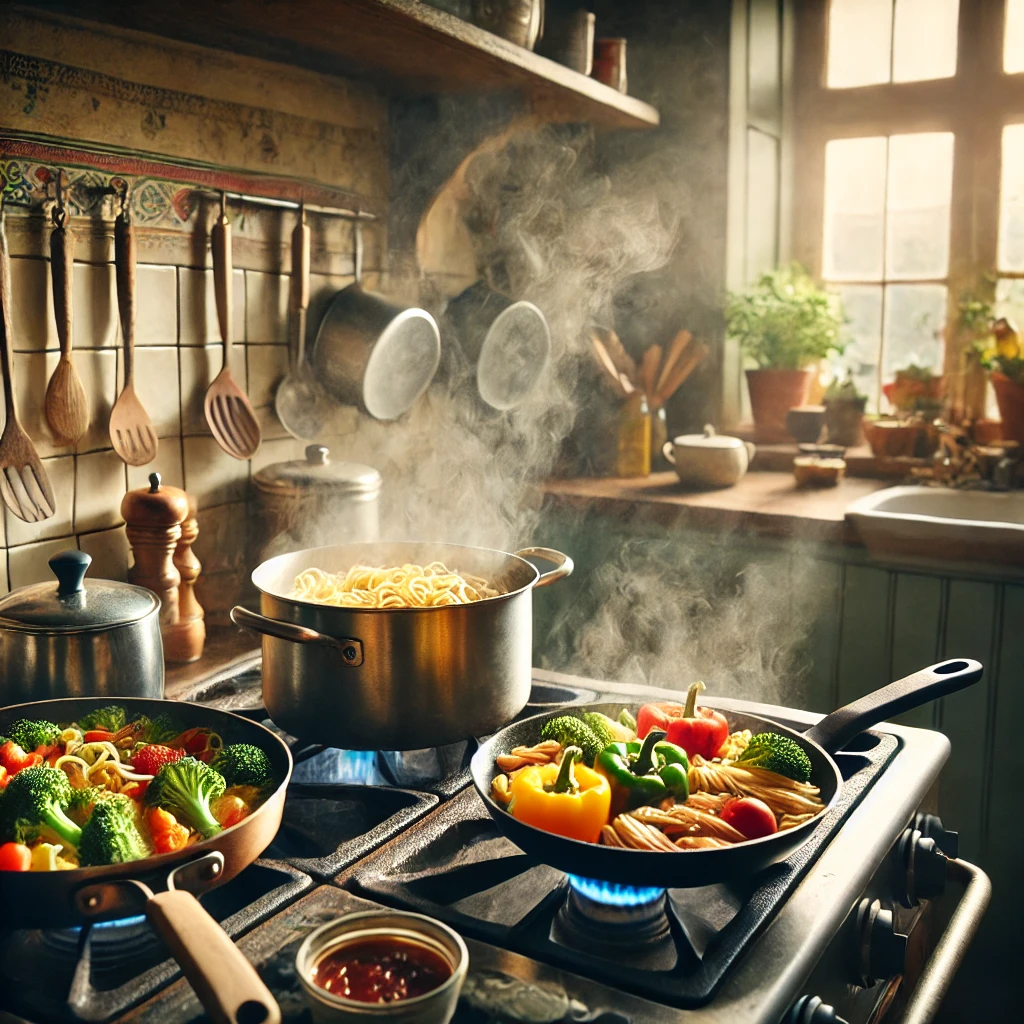
Creative Stovetop Recipes for Every Meal
Cooking without an oven opens up a world of delicious possibilities right on your stovetop. Whether you’re looking to whip up a quick breakfast, satisfying lunch, or a hearty dinner, there are plenty of stovetop recipes that can delight your taste buds. Here are some creative ideas for every meal of the day that you can make without preheating an oven.
Breakfast Delights
Start your day off right with simple stovetop breakfast options. Here are a few favorites:
- Stovetop Frittata: Combine eggs with your choice of vegetables such as spinach, bell peppers, and onions. Cook them in a non-stick skillet until set. Add cheese on top for extra flavor.
- Pancakes: Mix flour, milk, eggs, and baking powder to create a batter. Pour onto a heated skillet to make fluffy pancakes. Top with fruit, syrup, or yogurt for a delightful finish.
- Oatmeal: Cook quick oats in water or milk on the stovetop. Stir in ingredients like cinnamon, honey, or fruit to make it even more delicious.
Lunch Inspirations
Ready for lunch? Here are some easy stovetop recipes to get your midday meal sorted:
- Stir-Fried Noodles: Cook your choice of noodles and toss them in a hot skillet with vegetables and your favorite sauce. Try adding tofu, chicken, or shrimp for protein.
- Soup: Create a comforting soup using broth as a base. Add in vegetables, lentils, or beans and season as desired. Let it simmer for an easy, nourishing meal.
- Taco Filling: Cook ground meat or black beans in a skillet with taco seasoning. Serve with tortillas and your choice of toppings for a fun lunch.
Hearty Dinners
Dinner can be both hearty and creative without ever using an oven. Consider these stovetop meals:
- One-Pan Rice Dish: Sauté onions and garlic in a pan, then add in rice, broth, and any vegetables you like. Let it simmer until the rice is cooked through for a complete meal.
- Skillet Chicken: Cook chicken pieces in a skillet with olive oil until browned, then add vegetables and a sauce of your preference, allowing everything to meld together.
- Curry: Sauté onions and garlic, then add curry paste and coconut milk along with veggies and cubed chicken or chickpeas for a delicious curry served over rice.
Delectable Desserts
You can satisfy your sweet tooth without an oven, too. Try these stovetop dessert ideas:
- Rice Pudding: Cook rice with milk and sugar on the stovetop, adding vanilla and cinnamon for flavor. Serve warm or chilled.
- Caramelized Bananas: Slice bananas and cook them in a pan with butter and brown sugar until caramelized. Serve them over ice cream for a tasty treat.
- Stovetop Chocolate Fondue: Melt chocolate with cream in a small saucepan and use it for dipping fruits, marshmallows, or cookies.
Cooking Tips Without an Oven
Cooking without an oven can still be an exciting adventure in the kitchen. Here are some tips to enhance your stovetop cooking experience:
- Use a good quality non-stick skillet to avoid food sticking and make cleanup easier.
- Prep ingredients beforehand to ensure a smooth cooking process.
- Don’t rush! Allow flavors to develop by letting dishes simmer appropriately.
- Experiment with spices and herbs to elevate the dishes.
Cooking without an oven doesn’t limit your culinary creativity; it opens up a variety of flavors and dishes you can enjoy every day. From breakfast to dinner, and even desserts, the stovetop is a powerful tool in your kitchen arsenal. Get ready to impress yourself and your loved ones with these easy and delicious stovetop recipes!

Essential Cookware for Stovetop Cooking Success
When it comes to cooking without an oven, having the right cookware is essential for success on the stovetop. The variety of dishes you can create is vast, but the right equipment makes all the difference. Let’s explore the must-have cookware that will have you whipping up delicious meals with ease.
Non-Stick Skillet
A non-stick skillet is a staple in any kitchen, especially for stovetop cooking. This type of pan allows you to cook foods like eggs, pancakes, and sautéed vegetables with minimal oil. You’ll find that the food releases easily from the surface, which simplifies both cooking and cleanup. Look for a skillet that is both durable and free from harmful chemicals.
Cast Iron Skillet
If you want versatility, invest in a cast iron skillet. These skillets are perfect for searing meats, baking cornbread, and even making pizzas. Cast iron retains heat exceptionally well and provides an even cooking surface. Remember, the more you use it, the better the seasoning becomes, giving your food an incredible flavor.
saucepan
A good saucepan is key when it comes to boiling, simmering, or making sauces. Whether you’re preparing pasta, soups, or gravies, a well-sized saucepan allows for easy stirring and achieves perfect consistency. Choose one with a heavy bottom to prevent burning, and a lid to maintain moisture and heat effectively.
Stockpot
If you love to cook larger batches of food, a stockpot is invaluable. Perfect for soups, stews, and boiling pasta, a stockpot allows you to feed more people at once. Look for one made from stainless steel to ensure even cooking and durability. Its size means you can also use it to prepare stocks and broths, enhancing the flavor of future dishes.
Wok
A wok doesn’t just have to be for traditional stir-fried dishes. This versatile piece of cookware can be used for frying, steaming, and even making soups. The sloped sides of a wok help distribute heat evenly, allowing for quick cooking times. Whether you’re whipping up fried rice or tender veggies, a wok is a great addition to your stovetop arsenal.
Griddle Pan
For those who enjoy the taste of grilled foods but don’t have access to an outdoor grill, a griddle pan is an excellent solution. This flat surface is perfect for making burgers, pancakes, and sandwiches. Some griddle pans even come with raised edges to keep everything in place while cooking.
Colander
While it may not be a cooking tool, a colander is essential for stovetop cooking, especially when draining pasta or rinsing vegetables. Look for a colander with sturdy handles and a design that allows for quick drainage. A mesh option can also help with smaller ingredients like quinoa or rice.
Mixing Bowls
Mixing bowls come in handy for prepping ingredients. Whether you’re marinating meat or tossing salads, having several bowls in varying sizes makes it easier to manage your food. Opt for bowls made from glass or stainless steel for durability.
Measuring Cups and Spoons
Precision in cooking often leads to the best results, making measuring cups and spoons crucial for stovetop success. Measuring your ingredients ensures consistency in flavor and texture. A set that includes both dry and liquid measuring tools will cover all your cooking needs.
Spatula and Tongs
The right utensils make cooking on the stovetop more efficient. A sturdy spatula is essential for turning foods without damaging them, while tongs allow you to grip and flip items with ease. Look for heat-resistant options to ensure they stand the test of time.
With the right cookware at your disposal, creating delicious dishes without an oven is a breeze. Focus on quality items that suit your cooking style, and you’ll be set for stovetop success. Happy cooking!
Tips for Mastering Temperature Control on the Stovetop
Mastering temperature control on the stovetop is essential for cooking delicious meals. When you understand how to manage heat effectively, you can elevate every dish. Here are some valuable tips to help you control the temperature like a pro.
Understand Your Stovetop Burners
Every stovetop burner heats differently. Gas burners tend to provide immediate and adjustable heat, while electric burners can take time to cool down. Here are some tips:
- Know Your Burners: Identify which burners are the most powerful and which are the gentler ones. Use high heat for boiling and low or medium for simmering.
- Use the Right Burner Size: Match the size of your pan with the burner. A small pan on a large burner can lead to uneven heating.
Adjusting Heat Settings
Knowing how to adjust your heat settings can significantly improve your cooking. Often, recipes will indicate the required heat level, but those terms can vary. Here’s a quick guide:
- High Heat: Ideal for searing meats and heating liquids quickly.
- Medium Heat: Best for frying, browning, and cooking food evenly. Think of it as the sweet spot for most stovetop recipes.
- Low Heat: Use this for simmering sauces, melting chocolate, or keeping food warm without overcooking.
Using Pan Types to Your Advantage
The material of your cooking pan can affect heat distribution. Understanding this can help you utilize temperature control more effectively:
- Stainless Steel: Great for browning and can handle high temperatures. Remember to preheat well for the best results.
- Non-Stick Cookware: Works well on lower to medium heat. High heat can damage the coating, so keep it moderate.
- Cast Iron: Retains heat extremely well. It’s perfect for searing but requires gradual temperature changes.
Monitoring Temperature with Tools
Having the right tools can greatly assist you in controlling temperature:
- Instant-Read Thermometer: Perfect for checking the doneness of meats and ensuring they reach safe temperatures.
- Infrared Thermometer: Allows you to measure surface temperatures without contact, giving you a clear idea of how hot your pan is.
- Cooking Timers: Use timers to avoid overcooking. Set one for your cooking times and an additional one for checking progress.
The Importance of Preheating
Preheating your pan is crucial for searing and frying. A well-preheated pan prevents sticking and allows food to cook evenly. Here’s how to do it right:
- Test the Temperature: Add a drop of water to the pan. If it dances and evaporates quickly, your pan is ready.
- Watch the Oil: For oils, they should shimmer but not smoke. If they smoke, the temperature is too high.
Cooling Down Techniques
If you find your food is cooking too quickly, there are ways to cool things down effectively:
- Remove the Pan: Taking the pan off the heat immediately reduces the cooking temperature.
- Add Ingredients Gradually: Adding cold ingredients can help lower the temperature. For example, adding broth to a hot pan can cool it down.
Experiment and Practice
The best way to master temperature control on the stovetop is through practice. Don’t be afraid to experiment with different recipes and techniques. Keep a cooking journal to note what worked and what didn’t. Over time, you’ll become more confident in adjusting the heat to achieve the perfect results.
By following these tips, you’ll be able to have better control over your stovetop cooking. Understand your burners, adjust settings wisely, and use the right tools. With time and practice, you’ll find that temperature control is the key to creating delicious dishes right from your stovetop!
Quick and Easy Stovetop Meals for Busy Weeknights
In today’s fast-paced world, cooking after a long day can feel overwhelming, especially when you’re juggling work, family, and personal commitments. Luckily, creating delicious meals on a stovetop is both quick and easy. You can whip up satisfying dishes without spending hours in the kitchen. Let’s explore some simple and tasty stovetop meals that will make your busy weeknights enjoyable.
One-Pan Pasta Delight
This delightful one-pan pasta dish is perfect when you want a comforting meal without the hassle of extra dishes. Here’s how to make it:
- Ingredients:
- 2 cups pasta of your choice
- 1 can diced tomatoes
- 2 cups vegetable or chicken broth
- 1 onion, chopped
- 2 garlic cloves, minced
- 1 teaspoon Italian seasoning
- Salt and pepper to taste
- Parmesan cheese for serving
Instructions: In a large skillet, combine the pasta, tomatoes, broth, onion, garlic, and seasonings. Bring to a boil, then reduce to a simmer. Stir occasionally for about 15-20 minutes or until the pasta is cooked. Top with Parmesan cheese, and you’re ready to serve!
Quick Stir-Fry with Veggies and Chicken
A stir-fry is another speedy option. You can customize it with whatever vegetables you have on hand:
- Ingredients:
- 1 pound chicken breast, thinly sliced
- 2 cups mixed vegetables (bell peppers, broccoli, carrots)
- 3 tablespoons soy sauce
- 1 tablespoon olive oil
- 1 teaspoon garlic powder
- Cooked rice or noodles to serve
Instructions: In a large skillet, heat olive oil over medium heat. Add the chicken and cook until no longer pink. Toss in the vegetables and stir-fry for about 5 minutes. Add soy sauce and garlic powder, continuing to stir until the vegetables are tender. Serve over rice or noodles for a complete meal.
Hearty Vegetable Soup
Soups are a fantastic option for busy nights. A hearty vegetable soup can be made in less than 30 minutes:
- Ingredients:
- 1 can of beans (kidney or black beans), drained
- 4 cups vegetable broth
- 2 cups chopped vegetables (zucchini, carrots, spinach)
- 1 can diced tomatoes
- 1 teaspoon thyme
- Salt and pepper to taste
Instructions: In a pot, combine the vegetable broth, beans, diced tomatoes, and chopped vegetables. Season with thyme, salt, and pepper. Bring to a boil, then reduce to a simmer for about 15-20 minutes. This soup is nutritious, filling, and perfect for leftovers.
Easy Quesadillas
Quesadillas are not only quick to prepare but also customizable and fun to make:
- Ingredients:
- 4 large tortillas
- 1.5 cups shredded cheese (cheddar or Monterey Jack)
- 1 cup cooked chicken, beef, or beans
- 1 bell pepper, sliced
- 1 tablespoon olive oil
Instructions: Heat olive oil in a skillet over medium heat. Place one tortilla in the skillet and layer half with cheese, protein, and peppers. Fold the tortilla over and cook for about 3-4 minutes on each side until golden brown and cheese is melted. Cut into wedges to serve.
These meals are just the tip of the iceberg when it comes to quick stovetop cooking. Whether you prefer a hearty pasta dish or a light stir-fry, stovetop meals can be varied and exciting. Experiment with different ingredients and flavors to suit your family’s tastes. Enjoy quality time at the dinner table without the stress of lengthy meal prep!
Flavor Boosting Techniques for Stovetop Cooking
Cooking on the stovetop can be a delightful way to prepare meals without the need for an oven. One of the keys to elevating your stovetop dishes is mastering flavor-boosting techniques. These methods can transform everyday ingredients into meals bursting with vibrant flavors. Here are some effective strategies to enhance your stovetop cooking experience.
Understanding the Basics of Flavor
Before jumping into specific techniques, it’s essential to understand what creates flavor in your dishes. The combination of salt, fat, acid, and heat plays a crucial role. Each of these elements can be adjusted and balanced for optimal taste. Now, let’s explore various techniques that can help you amplify the flavors in your stovetop meals.
Layering Ingredients
One of the best ways to create rich flavors is by layering your ingredients properly. Here’s how:
- Sauté Aromatics First: Start by sautéing onions, garlic, or ginger in oil before adding other ingredients. This step builds a strong base of flavor.
- Add Fresh Herbs: Incorporate herbs like basil, cilantro, or parsley towards the end of cooking to retain their bright flavors.
- Incorporate Umami: Use ingredients high in umami, like mushrooms, tomatoes, or soy sauce, to bring depth to your dishes.
Utilizing Acid for Brightness
Acid can perform wonders for your dishes, bringing balance and brightness. Consider these options:
- Citrus Juices: Squeezing lemon or lime over your meal just before serving can enhance your dish’s freshness.
- Vinegars: A splash of balsamic, apple cider, or wine vinegar can bring out the flavors in the other ingredients.
- Tomato Products: Diced tomatoes, tomato paste, or even a dash of ketchup can add both sweetness and acidity.
Deepening Flavor with Browning
One of the most effective techniques for deepening flavor on the stovetop is the Maillard reaction, which occurs when proteins and sugars brown during cooking.
- Brown Your Proteins: Whether it’s chicken, beef, or pork, browning the meat in fat adds a complex flavor that enhances the overall dish.
- Caramelize Your Vegetables: Cook vegetables slowly until they develop a golden-brown color. This releases their natural sugars and adds a sweet richness.
- Deglaze the Pan: After browning, add a splash of wine or broth to the pan to lift the browned bits stuck to the bottom. This creates a robust sauce.
Experimenting with Spices
Spices are your best friend in stovetop cooking. Proper use of spices can elevate your dish from mundane to magnificent.
- Toast Spices: Toasting spices in the pan for a minute enhances their flavors and aroma.
- Create Custom Blends: Combine spices like cumin, coriander, and paprika to invent your own seasoning mix tailored to your taste.
- Utilize Spice Pastes: Consider using pastes like curry or harissa for an instant flavor boost without much effort.
Using Broths and Stocks
Cooking with liquids, like broths and stocks, can greatly enhance the flavor of your dishes.
- Replace Water with Broth: When cooking grains or boiling vegetables, opt for chicken, beef, or vegetable broth instead of water.
- Build a Rich Sauce: Simmering your ingredients in broth can create a delicious sauce, adding additional layers of flavor.
- Incorporate Homemade Stock: If possible, use homemade stock, as it usually contains more depth and flavor than store-bought options.
Finish with Fats
Finishing a dish with a touch of fat can elevate its flavor profile. Consider the following:
- Butter or Ghee: A pat of butter stirred into a sauce or vegetable dish adds a creamy richness.
- Olive Oil Drizzle: A drizzle of good quality olive oil just before serving can enhance flavor and provide a luxurious mouthfeel.
- Toasted Nuts or Seeds: Adding toasted nuts or seeds not only boosts flavor but also provides a satisfying crunch.
With these flavor-boosting techniques in your culinary toolkit, you can make your stovetop meals shine. Whether you are sautéing, simmering, or frying, these methods will allow you to create dishes that are not only delicious but also memorable. Enjoy the process and let your creativity guide you in the kitchen!
Conclusion
Cooking without an oven opens up a world of creative possibilities right on your stovetop. From delicious breakfast omelets to hearty dinners like stir-fries and one-pot pastas, there’s no shortage of meals you can prepare with just a few essential tools. Understanding the right cookware, such as non-stick pans and dutch ovens, can make all the difference in your cooking experience and ensure your dishes turn out perfectly every time.
Mastering temperature control is crucial for stovetop success. With a bit of practice, you can learn when to crank up the heat for a perfect sear or when to lower it to let flavors meld together beautifully. Remember, patience is key! On busy weeknights, quick and easy stovetop meals can save you time and effort. Dishes like skillet fajitas or creamy pasta are not only fast to prepare but also packed with flavor, making weeknight cooking less stressful.
Don’t overlook the impact of flavor-boosting techniques, such as using fresh herbs, citrus zest, or umami-rich ingredients like soy sauce or parmesan. These simple additions can elevate even the most basic of meals, transforming them into memorable dining experiences.
By exploring these stovetop cooking tips and recipes, you unlock a treasure trove of culinary potential. So, the next time you find yourself without an oven, remember that you can create delicious, satisfying meals without missing a beat. Dive into your stovetop adventures, and relish the creativity and flavor that awaits!