
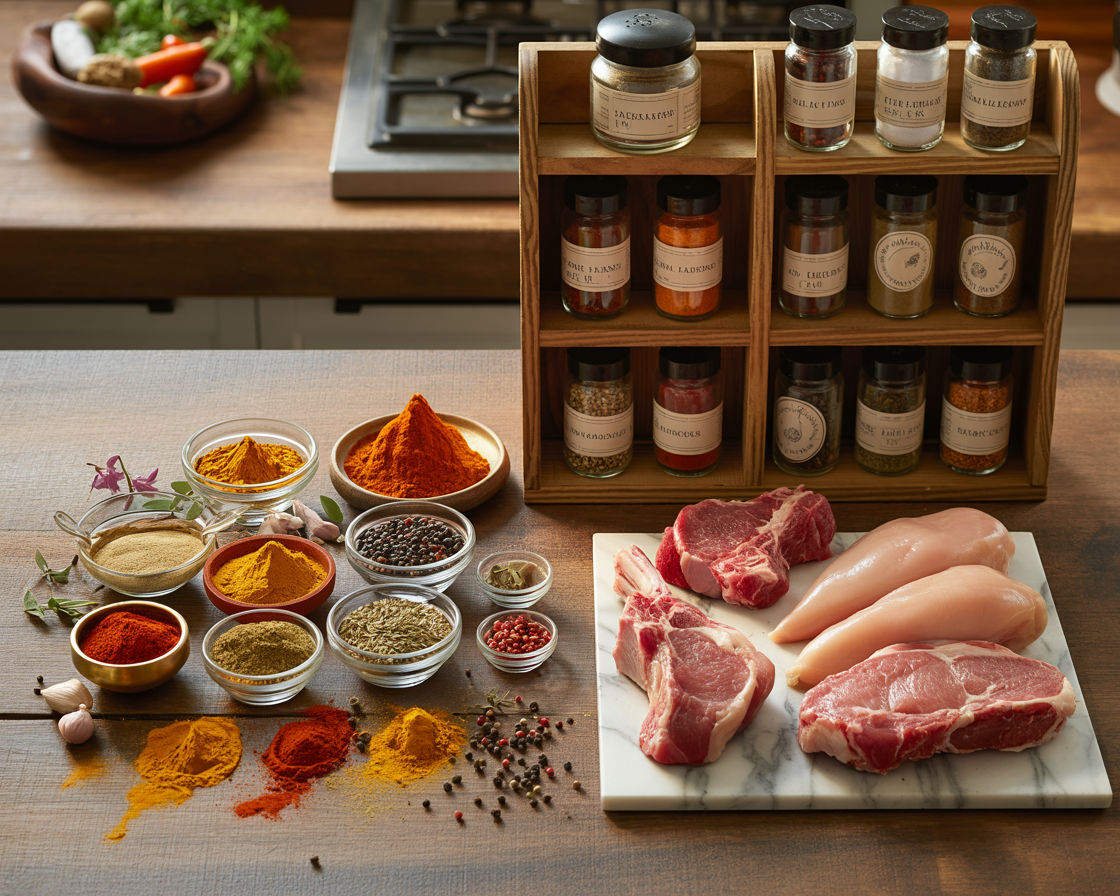
Unlocking Flavor: A Beginner’s Guide to Cooking with Spices and Herbs
Cooking can be a delightful adventure, and spices and herbs are your trusty companions on this journey. They bring dishes to life, turning plain meals into flavorful delights. If you are new to cooking, learning how to use spices and herbs can unlock a world of delicious possibilities. This guide will help you start your culinary journey with confidence.
Understanding Spices and Herbs
First, let’s break down the difference between spices and herbs. Herbs are the green leaves of plants, often used fresh or dried. Common herbs include basil, parsley, and thyme. Spices, on the other hand, are made from other parts of the plant—like seeds, bark, or roots. Examples of spices include cinnamon, cumin, and pepper. Knowing this distinction is essential for your cooking.
Why Use Spices and Herbs?
Using spices and herbs can enhance the aroma, taste, and appearance of your food. Here are some benefits:
- Flavor Enhancement: Spices and herbs add depth and complexity to dishes.
- Health Benefits: Many spices and herbs have anti-inflammatory and antioxidant properties.
- Variety: They allow you to create diverse dishes from the same basic ingredients.
Common Spices and Herbs to Start With
As a beginner, it’s best to start with a few key spices and herbs. Here’s a short list:
- Basil: A sweet herb ideal for Italian dishes.
- Oregano: Pairs well with meat and tomato sauces.
- Cilantro: Great for Mexican and Asian dishes, adding freshness.
- Cumin: Popular in Middle Eastern and Indian cuisines.
- Paprika: Adds rich color and a mild flavor, perfect for stews.
- Black Pepper: A versatile spice that works well in almost any dish.
How to Store Spices and Herbs
Proper storage can help maintain the freshness and potency of your spices and herbs:
- Keep them cool: Store them in a dark, cool place like a pantry, away from heat and light.
- Use airtight containers: Glass jars or tightly sealed plastic containers work best.
- Check expiration dates: Spices lose their flavor over time, so replace them after about 1-3 years.
Techniques for Cooking with Spices and Herbs
Here are some tips to maximize flavor while cooking:
- Start small: If you’re unsure about a spice, start with a small amount and adjust according to taste.
- Layer flavors: Add spices at different stages of cooking for a more complex flavor profile.
- Toast spices: Lightly toasting whole spices in a dry pan can bring out their natural oils and deepen their flavor.
- Combine spices: Experiment with blending spices to find unique flavor combinations.
- Use fresh herbs at the end: Adding fresh herbs near the end of cooking enhances their bright flavor.
Simple Recipes to Practice
To help you get started, here are two simple recipes that use spices and herbs:
Herb-Infused Olive Oil
Ingredients:
- 1 cup olive oil
- 1 tablespoon dried rosemary
- 1 tablespoon dried thyme
- 1 tablespoon crushed red pepper flakes (optional)
Instructions: Combine all ingredients in a jar. Let it sit for at least 24 hours before using. Use it to drizzle on salads or roasted vegetables.
Spiced Roasted Vegetables
Ingredients:
- 2 cups assorted vegetables (carrots, bell peppers, zucchini)
- 2 tablespoons olive oil
- 1 teaspoon cumin
- 1 teaspoon paprika
- Salt and pepper to taste
Instructions: Preheat your oven to 400°F (200°C). Toss vegetables with olive oil and spices. Spread on a baking sheet and roast for 25–30 minutes, until tender and caramelized.
Cooking with spices and herbs is an engaging way to explore flavors and develop your culinary skills. With practice, you’ll become more comfortable with various combinations and discover your preferences. Remember to enjoy the process, and soon you’ll be creating delicious meals that impress friends and family alike!
Essential Spice Blends Every New Cook Should Know
Cooking is a blend of art and science, and one of the most enjoyable ways to elevate your culinary skills is by experimenting with spices and herbs. For new cooks, understanding essential spice blends can unlock an array of flavors and enhance your dishes. Here are some key spice blends every beginner should know.
Italian Seasoning
This versatile blend brings the taste of Italy to your kitchen. It’s perfect for pasta sauces, roasted vegetables, and grilled meats. You can make your own blend by mixing the following:
- 1 tablespoon dried basil
- 1 tablespoon dried oregano
- 1 tablespoon dried thyme
- 1 teaspoon garlic powder
- 1 teaspoon onion powder</li
- 1 teaspoon red pepper flakes (optional)
Use this blend generously in marinades or sprinkle it over dishes for an Italian flair.
curry powder
Curry powder is a staple in many kitchens, especially for those who enjoy Indian cuisine. It adds warmth and depth to curries, stews, and even roasted vegetables. A simple homemade blend can include:
- 2 tablespoons ground turmeric
- 1 tablespoon ground cumin
- 1 tablespoon ground coriander
- 1 teaspoon ground ginger
- 1 teaspoon chili powder
- 1/2 teaspoon ground cinnamon
Experiment with different amounts to create a flavor that works best for your palate.
Chili Powder
Chili powder isn’t just for spice; it also introduces a rich, smoky flavor to your dishes. This blend is great for chili, tacos, or any dish that could use a touch of heat. A basic chili powder mix consists of:
- 2 tablespoons ground ancho chili
- 1 tablespoon ground cumin
- 1 tablespoon garlic powder
- 1 tablespoon onion powder
- 1 teaspoon dried oregano
- 1 teaspoon salt
This blend is easy to adjust, so feel free to add more heat with cayenne pepper if you dare!
Garlic and Herb Blend
This flavorful combination is perfect for seasoning meats, vegetables, and even breads. Making your own garlic and herb blend is simple:
- 2 tablespoons garlic powder
- 1 tablespoon dried parsley
- 1 tablespoon dried thyme
- 1 teaspoon black pepper
- 1 teaspoon salt
This mix not only improves the taste of your dishes but also delivers lovely aromas while cooking.
BBQ Spice Rub
If you love grilling, a good BBQ spice rub is essential. It provides a sweet and smoky kick to meats. Combine the following:
- 2 tablespoons brown sugar
- 1 tablespoon paprika
- 1 tablespoon onion powder
- 1 tablespoon garlic powder
- 1 teaspoon cayenne pepper
- 1 teaspoon salt
Rub it into your meat before cooking for a caramelized crust that is absolutely delicious.
Taco Seasoning
Taco night becomes much more exciting with homemade taco seasoning. It’s a great way to control the flavors and spice levels. For a basic blend, mix:
- 1 tablespoon chili powder
- 1 teaspoon ground cumin
- 1 teaspoon paprika
- 1 teaspoon garlic powder
- 1 teaspoon onion powder
- 1/2 teaspoon salt
- 1/4 teaspoon black pepper
Add this to your ground meat or beans for a flavorful taco filling.
By familiarizing yourself with these essential spice blends, you’ll start to gain confidence in your cooking skills. Remember, the joy of cooking comes from experimentation. So don’t hesitate to adjust the quantities and ingredients in these blends to suit your tastes. Happy cooking!
The Art of Pairing: Matching Herbs and Spices with Different Dishes
Embarking on your culinary journey can be exciting, especially when you start exploring the colorful world of herbs and spices. Each combination can transform an ordinary dish into an extraordinary culinary experience. Understanding how to pair herbs and spices with different dishes is crucial for enhancing flavors and creating delightful meals. Let’s dive into the basics!
Before jumping into specific pairings, it’s essential to know the basics of herbs and spices. Herbs typically come from the leafy green parts of plants, while spices are derived from seeds, roots, or bark. Each has its distinct flavor profile and aroma, which can complement or contrast with your dishes in various ways.
Common Herbs and Spices with Flavors
1. Basil
Basil has a sweet and slightly peppery flavor. This herb is amazing in dishes like:
- Pasta sauces
- Pizza
- Caprese salad
2. Rosemary
Rosemary boasts a strong, pine-like aroma and works wonderfully in savory dishes. Pair it with:
- Roasted meats
- Potatoes
- Bread
3. Cilantro
The fresh and citrusy taste of cilantro makes it a favorite in many cuisines. It goes well with:
- Salsas
- Curries
- Mexican dishes
Understanding Flavor Profiles
To master the art of pairing, you need to grasp the idea of flavor profiles. Consider whether a dish is sweet, savory, spicy, or sour. Then, think about how herbs and spices can enhance these flavors. For example:
- For sweet dishes, try cinnamon or nutmeg.
- For savory flavors, garlic and onion powder can add depth.
- In spicy recipes, consider using chili powder or cayenne.
- For a touch of acidity, fresh herbs like parsley or dill can brighten up a heavy dish.
Pairing Herbs and Spices with Meat
When it comes to meat, choosing the right herbs and spices can make all the difference. Here are some classic combinations:
- Chicken: Flavor it with thyme, garlic, and paprika to create a delicious profile.
- Beef: Try a blend of rosemary, garlic, and black pepper for a hearty dish.
- Pork: Season it with sage and fennel to enhance its natural sweetness.
Vegetarian and Vegan Options
Vegetable dishes can be equally exciting with the right herbs and spices. Here are some ideas:
- Curries: Use cumin, coriander, and turmeric for vibrant flavors.
- Salads: Fresh dill or mint can add a refreshing twist.
- Roasted veggies: A drizzle of olive oil with oregano or thyme can elevate simple vegetables.
Experimenting with Flavors
Don’t be afraid to experiment! Cooking is an art, and the best way to learn is through practice. Start by choosing a dish you like and consider what flavors might complement it. Keep the following tips in mind:
- Start with small amounts of herbs and spices; you can always add more.
- Fresh herbs often provide a stronger flavor than dried, so use them accordingly.
- Try pairing unusual herbs and spices for a unique twist.
As you delve deeper into the world of herbs and spices, your confidence in the kitchen will grow. Each pairing enhances not just the flavor but also the joy of cooking. With practice, you’ll become better at knowing which ones work best together, making your meals more enjoyable and bringing delight to those who share your table.
Start your spice-infused culinary adventure today, and let the art of pairing herbs and spices ignite your passion for cooking!
Fresh vs. Dried: Understanding the Differences in Herbs and Spices
When you step into the kitchen, the aromas of herbs and spices can ignite a culinary adventure. However, whether you choose fresh or dried versions can influence your dish tremendously. Understanding the differences between these two forms will arm you with the knowledge you need to enhance your cooking skills.
Flavors and Potency
Fresh herbs provide bright, vibrant flavors that can uplift your dishes. They often have delicate oils that release intense aromas when crushed. On the other hand, dried herbs pack a more concentrated flavor, as the drying process intensifies their natural essence.
- Fresh Herbs: Ideal for salads, garnishes, or light dished like pastas and sauces.
- Dried Herbs: Better suited for soups, stews, and slow-cooked meals where their flavors can meld over time.
Timing is Key
The timing of when to add herbs and spices during cooking is another vital tip. Fresh herbs should be added at the end of the cooking process to retain their flavor. In contrast, dried herbs should be introduced early on to allow their flavors to develop and infuse throughout the dish.
Cooking Techniques
Let’s explore some common cooking techniques and how they interact with fresh and dried herbs:
- Sautéing: Add fresh herbs like basil or cilantro at the tail end for a refreshing hit.
- Roasting: Toss dried rosemary or thyme with vegetables before they go into the oven for a robust flavor.
- Simmering: Use dried herbs in stews to extract deep flavors over time.
Storage Considerations
How you store your herbs and spices impacts their longevity and flavor. Fresh herbs can wilt and lose moisture quickly, requiring refrigeration. Store them in a glass of water or wrap them in damp paper towels in the fridge. Alternatively, dried herbs should be kept in a cool, dark place in airtight containers to maintain their potency.
Fresh vs. Dried: A Quick Comparison
Here’s a quick comparison to keep in mind:
| Aspect | Fresh Herbs | Dried Herbs |
|---|---|---|
| Flavor | Bright and vibrant | Concentrated and intense |
| Usage | Finishing touch, salads, sauces | Cooking, long-simmering dishes |
| Storage | Short-term in fridge | Long-term in cool, dark place |
| Texture | Fresh and crunchy | Crumbly and powdery |
Health Benefits
Aside from flavor, herbs and spices also offer numerous health benefits. Fresh herbs are often rich in vitamins and antioxidants, while dried herbs can serve as potent additions to recipes. Here are some of the benefits they provide:
- Basil: Good for your heart and offers anti-inflammatory properties.
- Rosemary: Known for boosting memory and concentration.
- Oregano: Packed with antioxidants and exhibits antimicrobial qualities.
Choosing the Right Herbs and Spices
When selecting between fresh and dried, consider the dish you are preparing. For example:
- For a flavorful pesto, fresh basil is a must.
- For a warming pot of chili, consider using dried oregano.
Ultimately, both fresh and dried herbs have unique qualities that can transform your meals. By understanding their differences, you can confidently choose the right one for your cooking needs. Remember to trust your palate, and don’t hesitate to experiment with both types. Happy cooking!
Tips for Storing and Preserving Your Spice and Herb Collection
If you’re like many home cooks, your spice and herb collection is a treasured part of your kitchen. Proper storage can significantly enhance the flavor and longevity of your spices and herbs. Follow these tips to keep your collection vibrant and ready for all your culinary adventures.
The Basics of Spice and Herb Storage
To maintain the freshness of your spices and herbs, start with the fundamentals. Here are some essential guidelines:
- Cool, Dark Places: Store your spices and herbs in a cool, dark cupboard away from heat sources and sunlight. Exposure to light and heat can diminish their potency over time.
- Seal Them Tight: Use airtight containers. Glass jars, especially those with screw-top lids, are excellent options for maintaining freshness.
- Label Clearly: Indicate the name and opening date on the containers. This allows you to easily access your spices and track their freshness.
Choosing the Right Containers
The right containers play a huge role in preserving the quality of your spices and herbs. Consider the following:
- Glass Jars: Perfect for dry herbs and blends, they allow you to see the contents while preventing moisture from entering.
- Plastic Containers: Use BPA-free plastic containers for a lightweight option. Ensure they have tight-sealing lids to keep out air.
- Spice Racks: A spice rack can help organize your collection. Choose one that keeps your spices upright and away from light.
Understanding Shelf Life
Knowing the shelf life of your spices and herbs can help you keep your collection fresh. Here’s a simple breakdown:
- Dried Herbs: Typically last 1-3 years. Check for aroma; if there’s little scent, it might be time to replace.
- Dried Spices: Usually remain good for 2-4 years. Whole spices last longer than ground ones.
- Blended Spices: Similar to dried spices, they usually last 1-3 years.
Tips for Longer Lasting Spices
To extend the life of your spices and herbs, follow these tips:
- Use a Dry Spoon: When scooping spices, always use a dry spoon to prevent moisture from entering the jar.
- Avoid Storing Above the Stove: Heat from cooking can shorten shelf life. Choose a different cupboard for your collection.
- Keep Whole Spices Whole: Grind spices just before using them. Whole spices retain their flavors much longer than ground ones.
Rejuvenating Your Spice Collection
If you find your collection losing flavor, there are ways to rejuvenate it:
- Toast Whole Spices: Lightly toasting whole spices in a dry skillet can release volatile oils for a fresher flavor.
- Infuse Oils: Use older dried herbs to create infused oils. This is a great way to use up herbs that are nearing their end.
Dealing with Pests
Sometimes, pests can invade your spice collection. Here’s how to keep them at bay:
- Use Bay Leaves: Adding bay leaves to your containers can naturally deter pests.
- Inspect Regularly: Check your spices for any signs of infestation or discoloration.
When to Dispose of Spices and Herbs
Even when stored properly, spices and herbs won’t last forever. Here are signs that it’s time to toss them:
- Lack of Aroma: If they don’t smell potent anymore, they won’t add flavor to your meals.
- Change in Color: If the color has faded significantly, it may indicate that the spices have lost their quality.
By following these tips for storing and preserving your spice and herb collection, you can enjoy vibrant flavors and fresh scents in your cooking. Remember, a well-cared-for spice collection can transform an ordinary dish into something extraordinary! Enjoy exploring new recipes and combinations, knowing your spices are at their best.
Conclusion
Embracing the vibrant world of spices and herbs can genuinely transform your culinary experience, inviting a variety of flavors into your kitchen. As you venture into cooking, remember that the key to unlocking flavor lies in understanding the different spices and herbs available to you. Mastering essential spice blends will not only save you time but also elevate everyday dishes with bold aromas and zest.
Matching herbs and spices to specific dishes is an art that enhances your meals, making them more enjoyable and impactful. Whether it’s the delicate hint of basil on a pasta dish or the warmth of cumin in a savory stew, the right pairing can bring your cooking to life. Don’t forget the importance of choosing fresh vs. dried herbs; each plays a unique role in how your meals taste and look.
Proper storage and preservation of your spice and herb collection are vital for maintaining their potency and flavors. Store them in cool, dark places to protect them from light and humidity. Always label your jars so you can easily find your favorites when cooking.
As you experiment with different flavors and combinations, allow your palate to guide you. Cooking with spices and herbs is an adventure that encourages creativity and personal expression in the kitchen. The more you explore, the more confidence you will gain, making cooking a joyful and satisfying experience. Enjoy the journey and savor the delicious results that come from your newfound skills in the spice-laden world of culinary delights.
How To Host A Foodie Dinner Party: Creative Menu Ideas And Tips